
HbA1c Test – Price, Purpose, Normal Range, Preparation
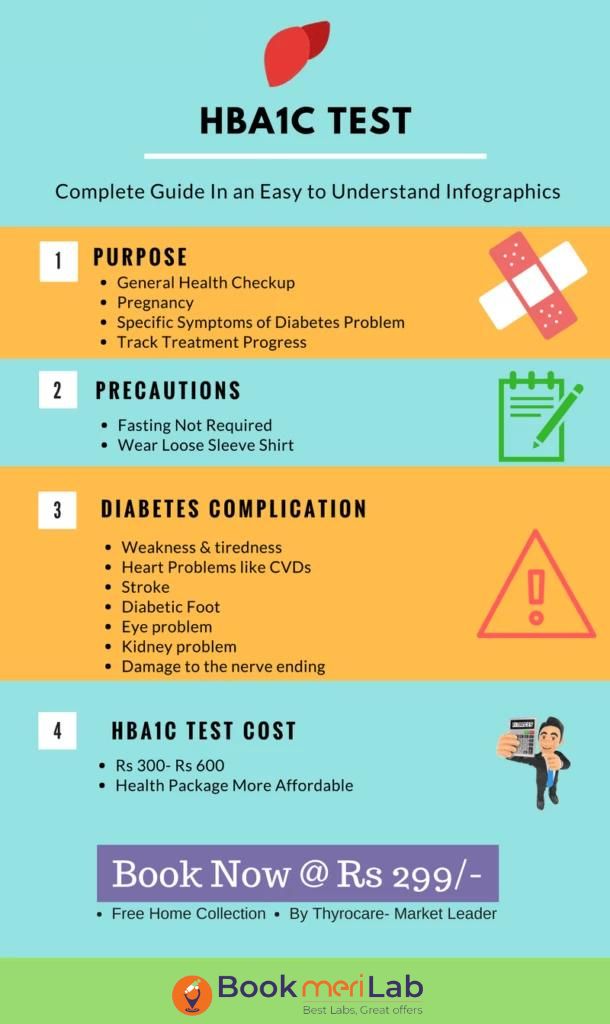
The HbA1c test, also known as the glycated hemoglobin test, measures your average blood sugar levels over the past two to three months. This simple blood test helps diagnose diabetes and pre-diabetes and is crucial in monitoring long-term glucose control for individuals already diagnosed with diabetes. It is an essential test that helps doctors assess how well a person’s blood sugar has been managed, providing valuable insights into their overall health. The HbA1c test price in India ranges from Rs 300 to Rs 600, However, the actual price depends on the diagnostic center and the city.
What is the HbA1c Blood Test?
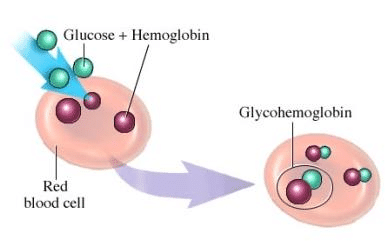
The HbA1c blood test measures the percentage of hemoglobin in the blood that is bound to sugar. Hemoglobin is a protein in red blood cells that carries oxygen throughout the body. Since red blood cells have a lifespan of about three months, the HbA1c test provides an average of blood glucose levels over that period. This test is commonly used to diagnose diabetes and monitor the effectiveness of diabetes management.
Test details in Brief
| Also known as | Haemoglobin A1C, Hba1c Glycosylated Haemoglobin, A1C test & Diabetes test. |
| Purpose | Sugar, Diabetes & Diabetic Nephropathy. |
| Preparation | No special preparation is required. |
| Fasting | Not required |
| Reporting time | 8 to 24 hours |
| Cost | Rs 300 to 600. |
HbA1c Test Price
It is a standard test, and often, a doctor recommends this test at least twice a year for diabetic patients. The HbA1c test price in India usually ranges between Rs 300 to Rs 600, but the actual cost may vary based on factors such as the diagnostic center and location. To get the best price for the HbA1c test, consider comparing the cost at different labs in your area.
Prices in Popular Diagnostic Centres
The table below lists the HbA1c test price for some of the popular diagnostic centres in India.
| Diagnostic Centre | Price |
|---|---|
| Dr Lal pathlabs | Rs 440 |
| Metropolis Healthcare | Rs 590 |
| Redcliffe Labs | Rs 299 |
| Vijaya Diagnostics | Rs 510 |
| Aarthi Scan | Rs 400 |
| Suburban Diagnostics | Rs 600 |
City-wise HbA1c Test Cost
The HbA1c test cost differs in different cities in India. Its usual range is from Rs 300 to Rs 600. However, some labs may charge extra for the home collection. Thus you may ask your lab for the same. Some labs may also include Average blood sugar level in your report, which helps in diabetes assessment.
| City | Price (Rs) |
|---|---|
| HbA1c Test Cost in Delhi | Rs 350-550/- |
| HbA1c Test Cost in Gurgaon | Rs 400-600/- |
| HbA1c Test Cost in Hyderabad | Rs 300-500/- |
| HbA1c Test Cost in Bangalore | Rs 300-550/- |
| HbA1c Test Cost in Mumbai | Rs 300-600/- |
| HbA1c Test Cost in Pune | Rs 300-550/- |
| HbA1c Test Cost in Chennai | Rs 250-500/- |
| HbA1c Test Cost in Kolkata | Rs 250-450/- |
Purpose of HbA1c Test
HbA1c test measures the average blood glucose level for three months period. The result indicates your control over the glucose level over a period of three months. Thus, it is helpful in diabetes diagnosis and useful during some measure health events like pregnancy or surgery. It is also used to detect diabetic nephropathy.
Watch HbA1c Test Video in Hindi
If you like to learn about the HbA1c Test in Hindi, you can watch the video below.
When is it recommended to get tested?
The HbA1c test is required if a person has one or more symptoms of diabetes. These include:
- Enhanced thirst/hunger: The patient feels the urge to eat more. Diabetes decreases muscle glucose uptake due to low insulin levels. Therefore, the muscles and other tissues indicate a “hunger” message to get more energy.
- Increased urination: This is due to the increased burden on the kidneys to filter and absorb the excess glucose from the body fluid.
- Blurred vision: The high blood sugar level causes the eye’s lens to swell and impairs clear vision.
- Unexplained fatigue: Instead of getting converted into energy, the glucose remains flowing in blood circulation. This unavailability of energy causes fatigue.
- When cuts or wounds take longer than usual to heal: Poor blood circulation slows down blood making it more difficult for the body to deliver nutrients to cuts or wounds.
- Tingling, numbness in the hands/feet (type-2): The nerve damage in the limbs causes the tingling sensation in the patients.
Who should get Hba1c tested?
A doctor recommends the HbA1c test if a person is at high risk of diabetes. The risk factors are:
- Being overweight or obese (BMI>25): An fat person is at high risk to have an imbalance of HbA1c.
- High blood pressure: High blood pressure is a contributing factor to diabetes. It should be well regulated.
- History of heart disease: Heart disease patients should undergo HbA1c testing.
- Family history of diabetes: Those persons who have some diabetic family members need to consult HbA1c testing.
- Physical inactivity: Persons doing a sitting job should regularly check their HbA1c levels.
- Women over 45 years: As women grow older, they develop low haemoglobin levels.
- Women with a history of polycystic ovary syndrome (PCOS): The PCOS ovary syndrome may cause low haemoglobin levels.
Due to its importance in diabetes diagnosis, it is often included in diabetes checkup tests.
When to go for the HbA1C Test?
The following conditions during which the patient should take the HbA1C test after consulting with the doctor.
- During diabetes: Doctors recommend an HbA1c test for people with type 1 (Insufficient insulin production by the pancreas) and type 2 (problem with glucose processing) diabetes. During other medical conditions, Doctors recommend Blood sugar and HbA1c to ensure that blood sugar is within the permissible range and under control.
- During pregnancy: Many women have the problem of gestational diabetes. Though it is temporary and affects only during the pregnancy, it negatively affects health. Pregnant women should do this test to ensure a safe and healthy pregnancy. It is one of the essential tests during pregnancy.
Why should you try to lower your HbA1c levels?
Studies show that improving HbA1c by 1% (or 11 mmol/mol) for people with type 1 or type 2 cuts the risk of microvascular complications by 25%. Microvascular complications include:
- Retinopathy: This refers to damage to the retina of the eye of the patient.
- Neuropathy: It means the damage to the nerves arising out of the brain of the patients.
- Diabetic nephropathy: This condition indicates the damage of blood vessels in the kidney due to nephropathy.

HbA1c Test Schedule
A patient should undergo an HbA1c test every three to six months, depending on their treatment and level of control of diabetes. One should measure the HbA1c level at the time of diagnosis and initiation of therapy.
After that, it should be done at least twice a year in people with type II diabetes who do not use insulin. It is better to do it four times a year for insulin-dependent (type I) diabetes or for type II diabetes who use insulin.
Timings of HbA1c test
Doctors recommend this test at least twice a year for diabetic patients. Usually, doctors also recommend this test before any major medical procedure. As the Red blood cells live for about three months, the test shows the average glucose level in your blood for the last three months. For a diabetic patient, the doctor recommends having the test done every 3-6 months as it indicates the overall control of blood glucose levels over the previous 8-12 weeks.
Procedure
The HbA1c is a simple blood test that can be taken by your doctor or at a pathology lab. The steps of the procedure are as follows:
- The technician will rub the alcohol on the area of the skin and will take a syringe.
- The blood veins would be needle pricked.
- The technician would utilise a syringe for blood withdrawal.
- Collect the blood sample into a test tube or vial.
- You may feel a slight sting when the needle goes in or out.
Preparation
HbA1c test does not require fasting or any other special preparation. A patient need not fast before the test, and you can eat and drink as normal.
HbA1c test Result
The HbA1c test results indicate average blood glucose over the past three months. Its results are indicative of diabetes. However, your doctor may recommend other tests like blood sugar fasting or PP and Insulin test and clinical observations to confirm diabetes.
The results should be available within 24 hours. Some labs may report average blood glucose in their HbA1c report.
Is the HbA1c test always reliable?
Following are the conditions that may give fall results:
- False-positive/negative due to genetic disorder: Most of us have type A haemoglobin (HbA, or adult haemoglobin), but some people have a variant form of haemoglobin. This is known as haemoglobinopathy, and it can also cause falsely high or low HbA1c results.
- False positives due to underlying medical conditions: Iron deficiency, anaemia, haemolytic anaemia, blood loss, chronic (ongoing) liver disease, chronic kidney disease or any other type of blood disorder can falsely give positive results.
HbA1c test Normal range
Following are the values indicating the stages of diabetes based on the HbA1c test results.
| Normal | Pre Diabetes | Diabetes |
|---|---|---|
| 3.5% to 6% (15 to 42 mmol/mol) | 6% to 6.4% (42 to 47 mmol/mol) | 6.5% (48 mmol/mol) or more |
A normal HbA1c level is below 6%. The normal range does not vary with age. The table below lists the normal ranges with qualitative categorisation.
| Indication | Normal Range |
|---|---|
| Normal Value | Below 6% |
| Good Control | 6%-7% |
| Fair Control | 7%-8% |
| Unsatisfactory Control | 8%-10% |
| Poor Control | Above 10% |
The result can be used to calculate the average blood glucose. It indicates the Average Blood Sugar level over the past three months. However, all the labs do not report average blood glucose in their HbA1c report. The table below lists its normal range of average blood glucose level.
| Indication | Values in mg/dl |
|---|---|
| Excellent Control | 90-120 mg/dl |
| Good Control | 121-150 mg/dl |
| Average Control | 151-180 mg/dl |
| Need Action | 181-210 mg/dl |
| Panic Value | Above 211 mg/dl |
Risks of High HbA1c Over Time
Chronic elevated HbA1c levels demonstrate poor blood sugar management and can lead to long term effects with risk of damage to many organs, in some cases, without even causing symptoms. Eventually these high HbA1c levels will lead to serious complications that will impact life when left unattended. Below are some short descriptions of the main risks:
- Increased risk of heart attack and stroke
Chronic elevated blood sugar levels can cause damage to blood vessels/pumping of blood and build plaque in arteries which may contribute to heart attacks and/or strokes.
- Vision loss or blindness (Diabetic Retinopathy)
Glucose can harm the small blood vessels in the retinal which can cause blurry vision, loss of vision, and eventually permanent blindness in some cases.
- Kidney failure or dialysis (Diabetic Nephropathy)
The kidneys work constantly attempting to filter sugar from the blood. With chronic elevated blood sugar levels the kidneys can become damaged leading to complete loss of protein in urine, eventual kidney failure or need for dialysis.
The risks of uncontrolled blood sugar levels show the seriousness of committing to definitive follow up and blood sugar monitoring. A reduction of even 1% of HbA1c will help to decrease the change of future complications.
Low HbA1c Risks
While much attention is placed on raised HbA1c values, a very low HbA1c (generally values < 4.0%) can also indicate significant health risks – especially for individuals with diabetes.
Possible Causes of Low HbA1c:
- Frequent hypoglycemia
Repeated incidents of low blood sugar due to excessive insulin or diabetes medications can drive HbA1c too low, and can lead to confusion, fainting, and seizures.
- Overmedication in diabetics
Patients trying to aggressively control their diabetes may be in danger of low glucose values because of wrong doses of medications.
- Chronic liver disease
Liver dysfunction may decrease glucose production and decrease the lifespan of red blood cells which can negatively bias the HbA1c measured values.
Associated Risks:
- Poor wound healing
Very low values for blood glucose can restrict energy supply to cells which can decrease the rate of healing while increasing the risk of infections.
- Increased risk of amputation
In the extreme, the negative effects of impaired wound healing in diabetic patients, especially in the feet, can progress to severe infections in addition to the risk of limb or even life loss (amputation).
Maintaining an HbA1c at levels between 5.7% and 6.5% (for most patients) will minimize the risk of acute and chronic complications.
Home Testing (Self HbA1c Test Kits)
As direct-to-consumer (D2C) lab services have become increasingly popular, the number of patients considering HbA1c home testing kits is slowly increasing because of its convenience and anonymity. Most of these kits require a finger-prick blood sample, and will either be tested on the spot with a portable hemoglobin A1c device, or be sent off to a lab for testing.
Are They Reliable?
Most FDA-cleared home HbA1c kits can give reasonably accurate results for routine monitoring, especially for a patient with a known diagnosis of diabetes.
However, accuracy will depend on:
- Quality of the kit
- How the sample is handled
- Error on the user’s part while collecting the sample
When to Prefer Lab Testing:
- If getting screened for diabetes for the first time, I recommend an HbA1c test from a full laboratory, as they can interpret the results.
- If you have any pre-existing medical conditions such as anemia, kidney disease, or liver disease, a lab-based HbA1c test is preferred because a lab will offer expert interpretation.
- If your home test results are erratic, or abnormal, I would perform a lab-based HbA1c test to confirm the values.
While HbA1c home testing kits can provide a convenient way to monitor your diabetes, I do not recommend completely relying on them for health decisions, particularly for medical decision making. If you intend to make final health decisions based on your home tests or home data, please consult with your doctor!
How to Lower HbA1c Naturally
Lowering your HbA1c is an important element of diabetes management, and helps to prevent or delay long-term complications. Here are some lifestyle changes that can help lower your HbA1c naturally:
Low-Carb Diet
The first thing you can do to lower your hemoglobin A1c is to reduce your intake of refined carbohydrates and sugars. This helps stabilize your blood sugar levels, and instead focus your diet on complex carbohydrates, higher fiber vegetables, as well as protein foods.
Regular Exercise
Exercise is another strategy to help lower hemoglobin A1c, as this acts to increase your insulin sensitivity. Even simple physical activity, such as going for a walk can combat glucose spikes, particularly if you walk afterwards after a meal.
Adequate Sleep
Getting at least 7–8 hours of restful sleep each night can also help with hemoglobin A1c. Adequate sleep promotes appropriate hormone regulation, including hormones that regulate blood sugar. Inadequate sleep can lead to insulin resistance and higher hemoglobin A1c.
Stress Management
Cortisol is a stress hormone and contributing factor to higher blood sugars, and too much stress can directly increase blood sugars. You can successfully manage stress through a variety of techniques including meditation, breathing technique exercises, and physical activity.
Importance of Medication Adherence
If you are prescribed diabetes medications or insulin, following the prescribed time and dosage is vital. Irregular medication use can create poor glucose control, and lead to elevated hemoglobin A1c levels.
Sample report
A sample of the report is as follows.
₹300 ₹400
HBA1C Test
Frequently asked questions
This test is not suitable for gestational diabetes. Gestational diabetes affects pregnant women.
Iron, Vitamin B12, C, E and folate supplements; high cholesterol levels, Erythropoietin therapy(to treat anaemia); Aspirin treatment; and certain antiviral and antimicrobial medicines in the blood can affect the result of the test.
Most doctors recommend taking the HbA1c test every three to six months if you have diabetes or prediabetes. This helps monitor long-term blood sugar control.
No fasting is required for an HbA1c test. You can take it at any time of the day, as it measures your average blood sugar over the past three months.
A healthy HbA1c level is usually below 5.7%. Levels between 5.7% and 6.4% indicate prediabetes, while 6.5% or higher may suggest diabetes.
The HbA1c test is mainly used to diagnose type 2 diabetes and monitor it. It may not always detect type 1 diabetes or gestational diabetes accurately.
No, the HbA1c test isn’t typically used for gestational diabetes. Instead, an oral glucose tolerance test is preferred for detecting diabetes during pregnancy.
An Hb1Ac test measures your average blood sugar during the past 2 to 3 months. It helps diagnose diabetes and monitor the management of blood sugar.
There are some home test kits available that give quick finger-prick results. However, lab tests are more accurate and therefore better for diagnosis or long-term monitoring.
Yes. Hb1Ac is completely safe during pregnancy and is often administered in early pregnancy to assess how well blood sugar is being controlled, mainly in women with diabetes or other risk factors.
If the Hb1Ac is high, it means blood sugar has been high for several weeks, suggesting diabetes or prediabetes, or inefficient glucose management if already diagnosed.
A low Hb1Ac level may indicate, on average, low blood sugar levels, which may require a doctor to investigate if it is caused by overmedication, poor nutrition, or untreated health problems.
A small blood sample is required for this test. Blood is usually drawn from a vein in the arm, or sometimes from the finger for point-of-care tests.
Yes. Smoking can raise Hb1Ac levels by causing oxidative stress and insulin resistance, which, over time, makes it harder to regulate blood sugar.
Yes. It is a test of long-term blood sugar, and short-term illnesses or fevers do not usually affect Hb1Ac results much.
No. High cholesterol does not directly affect HbA1c results. However, both high cholesterol and elevated HbA1c are risk factors for cardiovascular disease.
Yes. Heavy or chronic alcohol intake can cause blood sugar fluctuations, either increasing or decreasing levels, and may indirectly affect HbA1c.
Yes. Many people naturally reduce their Hb1Ac without medication through exercise, good nutrition, weight control, and proper sleep.
Yes. Vegetarians can still have a high level of Hb1Ac, especially if their diet contains refined carbohydrates, sweets, or processed foods and lacks balanced nutrients.
References:
- https://medlineplus.gov/ency/article/001291.htm
- https://www.webmd.com/diabetes/guide/glycated-hemoglobin-test-hba1c
- https://www.healthdirect.gov.au/hba1c-test
Dr Bhumika Rana
Dr Bhumika Rana is a Bachelor of Ayurvedic Medicine & Surgery (B.A.M.S.). Earlier She was an Operation Specialist at AIIMS Delhi & a Medical officer with the National health mission.