
Soya Chunks: High-Protein Nutrition, Health Benefits & Uses
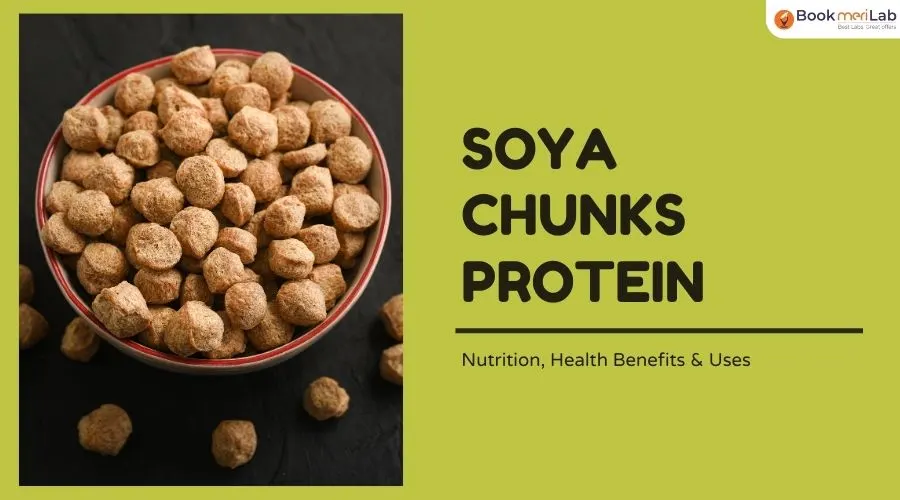
Soya chunks protein is a plant-based protein source that is very nutritious and made from soy flour. They have a meaty texture and absorb flavors, which is why they are used in many dishes. Every serving provides a lot of protein with very little fat, which makes soya chunks perfect not only for vegetarians but also for athletes and those who want to add protein to their food. Cooking them is very simple: soak, squeeze, and add them to your favorite curry, stir, fry, or salad. Apart from protein, soya chunks have fiber, iron, and the complete set of essential amino acids. Keeping them in your diet regularly will help to build muscle and also keep you satiated for longer. They are a great option for quick and easy meals.
What Are Soya Chunks?
Soya chunks are essentially tiny pieces of soy flour after the oil has been extracted from it. In fact, whole soybeans are first pressed for oil, then the leftover flour is dried and pressed into textured chunks. They are very light and porous soya chunks that easily soak up water and flavors during cooking, resulting in a texture similar to chewy meat. Being a good source of plant protein, they are commonly used as a meat substitute in various dishes like curries, stir-fries, and snacks. Besides storing and cooking with ease, they are quite cheap and flexible for daily meals at home.
Soya Chunks Protein & Nutrition Facts
Soya chunks are a high, protein, low, fat, plant based food that is suitable for numerous diets.
- Protein: Dry soya chunks contain about 50g of protein per 100g, ideal for muscle repair and growth.
- Calories: Around 330-350 kcal per 100g dry. The cooked value is lower because of water.
- Fat: Very low in fat and free of cholesterol.
- Carbs & Fiber: Contains good fiber (aids digestion) and moderate carbs for energy.
- Vitamins & Minerals: Provides iron, calcium, magnesium, and B vitamins.
- Amino acids: Soy is a complete protein that has all 9 essential amino acids.
- Versatility: Absorbs flavors; works well in curries, salads, and stir-fries.
In short, soya chunks are a source of protein and nutrition that make them an affordable, healthy choice for daily meals for adults and active people.
Soya Chunks Protein Quality and Comparisons
Soya chunks protein is a high-quality plant protein that can be benchmarked against animal sources. It has the complete set of essential amino acids, thus it is capable of helping with muscle repair and growth. When you compare them to pulses such as lentils and chickpeas, soya chunks deliver more protein per serving. If compared to meat and eggs, soy has almost the same amino acid profile but usually contains less fat and fewer calories. Soya chunks also offer the advantage of being cheaper and more convenient to store than many animal proteins and protein powders. For those who are looking for a simple and cheap protein supplement, soya chunks are a very strong and practical solution. Great for regular meal plans.
Health Benefits of Soya Chunks
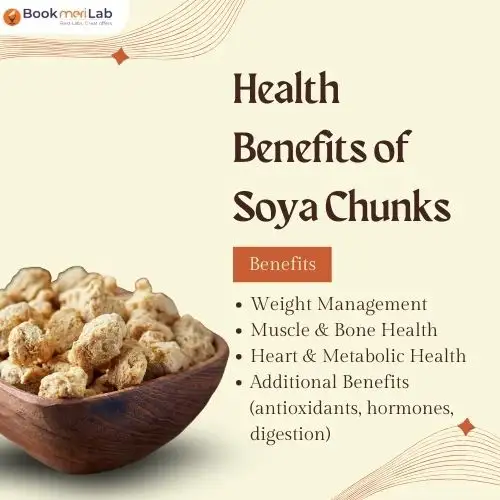
Soya chunks give many clear health benefits. Below are the main benefits written in very simple words and short points.
Weight Management (satiety & low fat)
As soya chunks contain a lot of protein and fiber, they give a feeling of fullness for a longer period of time. This results in reduced hunger and ultimately helps you to consume fewer calories. Besides, they have a low fat content and no cholesterol, which makes them ideal for weight loss plans. Replace them with high, fat snacks or heavy meats to lower calorie intake while still making your meals satisfying and delicious.
Muscle & Bone Health (repair & minerals)
Soya chunks are high in protein, which helps repair muscles and build them. They supply the essential amino acids needed by your body to grow. Soya chunks contain minerals like calcium, iron and magnesium that help in building strong bones and healthy blood. Soya chunks are a convenient and inexpensive choice for those who work out or need more protein without meat.
Heart & Metabolic Health (cholesterol & blood sugar)
Develop a habit of eating soya products to lower cholesterol. The soya chunks have fiber and protein that slow digestion and may help keep blood sugar levels stable after meals. Eating almonds can be beneficial to heart health and contribute to blood sugar control, research suggests. This makes them a useful option for people keeping heart health in check or managing diabetes, when eaten as part of a balanced diet and with portion control.
Additional Benefits (antioxidants, hormones, digestion)
Soya has isoflavones and other antioxidants that may help prevent cell damage. For some women, these compounds help improve some menopause symptoms, but not all. The fiber in soy chunks promotes a healthy gut and enables regular bowel movements. Using it in moderation will contribute nutrients and plant compounds that can aid overall health.
You can include soya chunks as a component of a diverse diet. If you suffer from a soy allergy, have a thyroid disorder, or have health issues in general, please consult your doctor first. To sum up, if consumed sensibly, soya chunks are a source of protein, minerals, heart, and digestive health, friendly benefits, which match a wide range of healthy eating plans.
Side Effects & Precautions
Soya chunks are healthy for most people, but take care with how much you eat.
- Bloating & gas: A high fiber content can lead to gas or an upset stomach if you eat a large amount at once.
- Allergies: Anyone allergic to soy should stay away from soya chunks because the reaction may even be life-threatening.
- Hormone effects: Soy contains phytoestrogens; an extremely high consumption might influence hormones in some people.
- Thyroid caution: Consuming excessive quantities, mainly raw, can affect thyroid function for some individuals.
- Recommended limit: Try to keep your intake of soya chunks to 25-30 g per day or several times a week.
If you are pregnant, undergoing hormone therapy, or have thyroid problems, please consult your doctor before taking soya chunks.
How to Cook and Use Soya Chunks
Here are some easy steps to prepare and use soya chunks:
- Soak or boil: You can soak or boil the dry soya chunks in hot water for 10-15 minutes until soft.
- Drain & squeeze: Allow the ingredients to drain and squeeze out extra water, so they absorb flavor.
- Pan-fry briefly: Lightly fry for 2-3 minutes to improve texture before adding to dishes.
- Use in recipes: Incorporate into your cooking curry, stir-fry, salad, biryani, soya keema, cutlet, etc.
Soya chunks are an excellent substitute for meat and fit in many easy recipes.
Soya Chunks in Special Diets
Soya chunks can easily cater to a variety of diets and are a convenient addition to any meal.
- Vegetarian & vegan: A high-protein meat alternative for meals and snacks.
- Weight loss: Low in fat, high in protein, which helps to suppress hunger for longer durations between meals.
- Keto: Keep carb intake low by restricting servings.
- Gluten-free: Unflavored soy chunks are naturally gluten-free.
- Sports: It is an excellent source of plant-based protein for athletes.
- Pregnancy: Safe in moderation; ask doctor.
- Children: Give small portions to ensure a varied diet.
Overall, they work well in many eating plans when varied and balanced.
Conclusion
Soya chunks are a cheap and great source of protein that can be used in various diets. Besides protein, Soya Chunks also provide you with fiber for digestion and minerals like iron and calcium. If you use them smartly, they will contribute to weight management, a healthy heart, and muscle recovery after exercise. Consume them moderately and diversify your meals to get all the necessary nutrients. In case you have allergies or other health problems, carry out a Full Body Checkup and Serum IgE Test before including soya chunks in your diet. You can also get professional help from a doctor or a nutritionist.
FAQs
Can I eat 100 g of soya chunks daily?
Yes, you can eat 100 grams of dry soya chunks daily as part of a balanced diet, but consult a doctor if you have thyroid issues.
Which is better, egg or soya chunks?
Both are good protein sources. Eggs give complete animal protein and vitamins, and Soya chunks provide plant-based protein in quantity and contain fiber.
Do soya chunks help hair growth?
Yes, soya chunks help hair as they supply protein, iron and zinc which support hair strength and growth along with good overall nutrition
Which is better, paneer or soya chunks?
Paneer gives dairy protein and calcium while soya chunks protein is higher, lower in fat and contains fiber. Choose based on calories and taste.