
Punarnava: Benefits, Uses, and Side-Effects
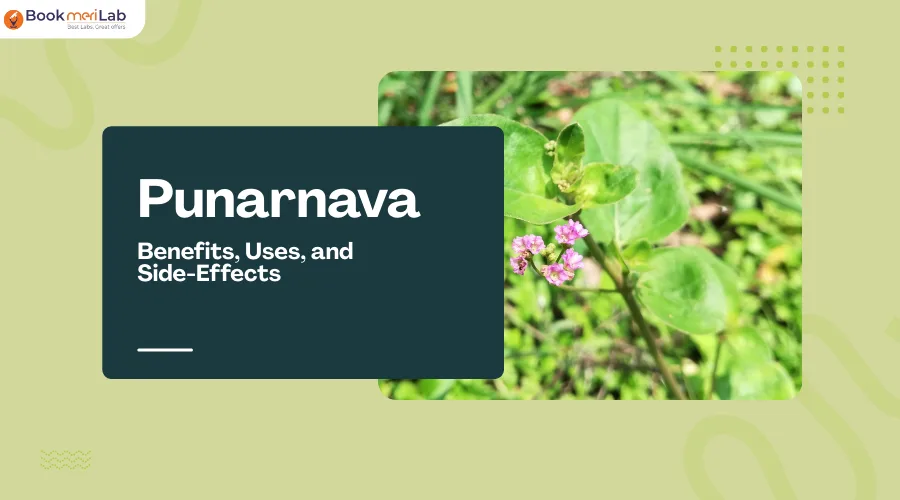
Punarnava is a medicinal herb used in Ayurveda. The plant bears the scientific name Boerhavia diffusa. Many individuals utilize it for various health issues because of its ability to diminish swelling, promote healthy kidneys and liver, lessen inflammation, and increase digestion. It serves as a natural diuretic that helps remove excess water from the body. It also helps with joint pain and mild infections, and supports heart health. Numerous individuals consume it in the form of powder, juice, tea, or tablets. Although it offers numerous benefits, it may cause side effects in some individuals, so it must be used with caution. Women who are pregnant, people who have low blood pressure, and people on certain medicines should do a doctor check first. If you intend to use it continuously for several days, it is advisable to have a KFT Test and a serum creatinine test. Always consult a doctor or Ayurvedic practitioner for advice. This article simply explains the benefits, uses, dose, and side-effects.
What Science Says About Punarnava
Researchers have investigated the plant and found it effective. Research (mostly lab and animal studies) shows Punarnava (Boerhavia diffusa) works as a natural diuretic, helping to remove excess fluid. May lessen swelling and relieve joint pain due to its anti-inflammatory properties. Research indicates that it can protect liver cells. Previous studies also show that it may reduce fluid buildup and protect tissue in the kidneys. The antioxidants present in Punarnava stop damage to cells. Limited studies suggest a mild blood sugar-lowering effect but more human trials are needed. Consult a doctor before use as most evidence is still preliminary. Consult your physician if you take blood pressure, diabetes or kidney disease medications.
Benefits of Punarnava
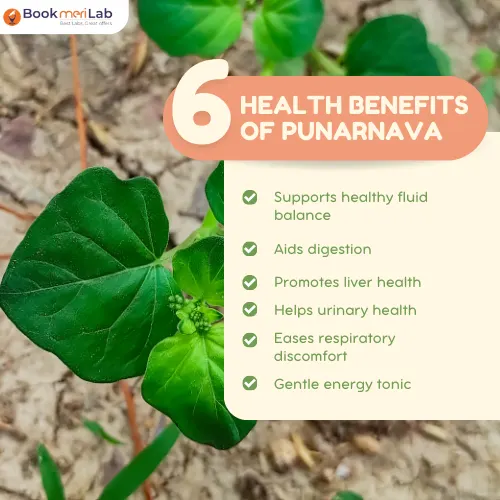
Punarnava gives several useful health benefits. Below are the main benefits in simple points:
Supports healthy fluid balance
The punarnava herb helps the body to get rid of extra water and reduces mild swelling. This helps keep the tissues from feeling puffy and helps maintain normal fluid levels. It is particularly useful after long travel or salt intake.
Aids digestion
It soothes the stomach, helps to reduce gas and bloating, and may even improve appetite and regular bowel movement. It provides gentle support to digestion and improves the use of nutrients in our body. Moreover, it improves comfort in the gut.
Promotes liver health
Punarnava supports liver activities. It makes the liver better at processing and removing waste, and so it supports a healthy detox system and healthy metabolism, and supports enzymes.
Helps urinary health
It supports the normal flow of urine, may help with mild urinary discomfort, and helps care for the urinary tract when used with adequate water for gentle use.
Eases respiratory discomfort
When it comes to mild respiratory congestion, it feels like a seasonal cough, which can be a nuisance. Eases breathing comfort, traditionally used to loosen mucus on the chest, and reduce coughing.
Gentle energy tonic
Punarnava is a gentle energy tonic. When taken appropriately, it helps to reduce tiredness and supports stamina when engaging in daily work or light exercise, enabling one to feel balanced and active. It also safely supports a calm mind.
These benefits make Punarnava a valuable herbal option, but always check with a doctor before using it, especially if you take medicines or have health conditions.
How to Use Punarnava
Here are easy ways to use Punarnava safely:
- Start small: take a low dose at first and watch for any body reactions.
- Leaf juice: Drink a mixture of 10-20 ml fresh leaf juice and water daily.
- Powder or capsule: Use powder or capsule form as per the product label or doctor’s recommendation.
- Tea: Steep dried leaves in hot water for 5-10 minutes and drink warm once daily.
- Topical paste: Apply a cool paste of roots to the swollen joints and cover it with a clean cloth.
- With food: Mix the Punarnava into warm milk, e.g. honey, to make it easier to take.
- Timing: take with or after food to reduce stomach upset.
- Duration: Use for a few weeks, then check with your doctor.
Side Effects and Precautions
Here are the main side effects and simple precautions to know before using Punarnava:
- Stomach upset or nausea: It’s possible that you may feel a slight pain in your stomach. Consume Punarnava with food and avoid it in case of any adverse effects.
- More urination and dehydration risk: Punarnava may increase urine production and pose a risk of dehydration. Make sure you are hydrated, and look out for dizziness or weakness.
- Low blood pressure and dizziness: Lightheadedness may happen if your blood pressure is already low or if you take medicines for it; punarnava may further induce this feeling. Monitor blood pressure regularly.
- Allergic reactions: If you notice the emergence of a rash, itching, swelling of the face or throat, or any trouble with breathing, stop the use of the product and see a doctor. They urgently need care.
- Not for pregnancy, breastfeeding, or young children: It is wise to avoid it when you are pregnant or lactating unless advised otherwise by a doctor. Also, it is not suitable for young children. Do not give to young children without expert advice.
- Drug interactions and long use: Punarnava can interact with diuretics and other medicines. Refrain from using it for a protracted period without medical review and consider performing tests such as serum creatinine if you are concerned about your kidneys.
Always talk to a doctor before starting Punarnava and get regular health checks if you use it for more than a few weeks.
Conclusion
Punarnava is a herbal medicine with a long history of use. It is believed to help regulate fluid balance, improve digestion, support liver health, maintain urinary tract health, and provide mild relief to the respiratory system. Many consider it a mild and effective remedy when used at the correct dose. However, as with any herb, it may cause side effects in some individuals or it may react with other drugs. Pregnant women should not use it, and if you have serious health conditions, you should only take it on medical advice.
For ensuring your safety, consult with your doctor or a herbal expert before use. If you are concerned about your kidneys or if you are on medication, think about getting a Full Body Checkup and a Serum Creatinine Test before you take Punarnava.
FAQs
What is the other name for Punarnava?
Punarnava is also called Boerhavia diffusa, commonly known as red spiderling or spreading hogweed, used traditionally in Ayurveda in India.
What are the benefits of Punarnava?
Punarnava supports fluid balance, aids digestion, helps liver function, supports urinary health, eases mild respiratory issues, and boosts gentle energy.
Can Punarnava cure fatty liver?
Punarnava cannot cure fatty liver; it may support liver health, but consult a doctor for diagnosis and appropriate medical treatment.
Does Punarnava increase blood sugar?
Punarnava does not usually raise blood sugar, but effects vary. People with diabetes should consult their doctor before first use.
Can Punarnava cure urine infections?
Punarnava may ease mild urinary discomfort but cannot cure infections. See a doctor for tests and antibiotic treatment if needed.
Can a normal person take Punarnava?
A healthy person can usually take Punarnava short-term, but check with a doctor if pregnant, breastfeeding, or taking other medicines.