
Curd Benefits: 11 Proven Ways Dahi Boosts Digestion, Immunity & Skin
Curd Benefits are useful and easy to enjoy. Curd, also called dahi or yogurt, is a creamy everyday food in many Indian kitchens. It provides probiotics, protein and calcium that support gut health, boost immunity and help the skin.
Eating plain curd regularly in small amounts can reduce bloating, aid digestion and strengthen bones. This article explains 11 proven curd benefits, the science behind them, best times to eat, summer tips, pregnancy notes and safety advice for everyday healthy living.

Why Is Curd Good for Your Health?
Curd is a healthy food made when milk is gently changed by live bacteria such as Lactobacillus and Bifidobacterium. This natural process, called fermentation, makes many nutrients easier for the body to use and adds probiotics – friendly germs that help the gut. These good bacteria help the immune system and reduce common problems like acidity, gas and bloating.
Curd Benefits also gives good amounts of protein, calcium and B vitamins that help keep you energetic and your bones strong. Because it is simple to prepare and eat, adding a small bowl of fresh curd to your daily meals is an easy and effective way to improve overall health.
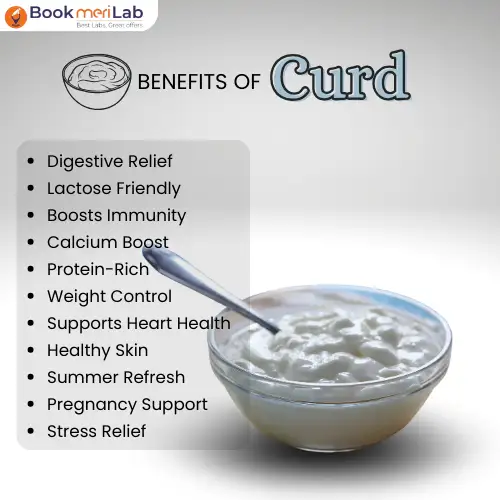
11 Proven Curd Benefits
Curd Benefits are simple and powerful. Adding a small bowl of fresh curd to your daily diet can help digestion, boost immunity, protect bones and even support better skin. Below are 11 clear benefits explained in easy words so anyone can understand and use them daily.
Improves digestion and reduces bloating:
Probiotics in curd balance gut bacteria and ease gas, bloating and constipation.
Eases lactose intolerance for many:
Fermentation lowers lactose and helps some people who cannot digest milk tolerate curd.
Strengthens immunity:
A healthy gut supports the immune system and curd’s probiotics to help the body fight common infections.
Good source of calcium for bones:
Curd contains calcium and phosphorus which keep bones and teeth strong.
High-quality protein:
The protein in curd keeps you full longer and helps muscle repair after activity.
May aid weight management:
Because curd is filling, it can reduce snacking and support a balanced, lower calorie diet.
Supports heart health when low-fat options are used:
Unsweetened, low-fat curd can be a heart-friendly choice as part of a healthy eating plan.
Helps skin health through the gut-skin link:
Better gut balance can reduce inflammation and may help clear skin; topical curd masks soothe and hydrate.
Cooling and hydrating in summer:
Curd dishes like lassi and raita help rehydrate and calm the stomach in hot weather.
Pregnancy-friendly nutrients:
Curd supplies calcium, protein and B vitamins important during pregnancy when made from safe, pasteurised milk.
May support mood and reduce stress:
The gut-brain link means probiotics in curd can help emotional well-being as part of a healthy lifestyle.
4 Easy Ways to Add Curd to Your Daily Diet
Including curd in your daily meals is very easy. Several curd benefits that you can enjoy include:
- Breakfast: Mix curd with oats or any fruit, or blend into a smoothie for protein intake and probiotics.
- Plain snacks: A bowl of plain curd with honey, nuts or chopped fruit keeps you full.
- Meals: Use curd-based marinades or serve curd as a cooling side with spicy food.
- Drinks: Make lassi, chaas or dilute curd with water for a hydrating drink.
Tip: Add curd at low heat near the end to keep texture and live cultures intact.
Best Time to Eat Curd
The best time to eat curd depends on your needs.
• With meals: helps digest heavy food.
• After heavy citrus or spicy meals: avoid immediately if you are sensitive.
• At night: plain curd can be soothing; if you have acid reflux, test tolerance first.
Aim for a small bowl of 100 to 150 g daily and choose fresh, unsweetened curd regularly.
Curd Use During Pregnancy and for Children: Key Points to Know
Curd Benefits are useful during pregnancy and for kids, but note the safety points.
- Pregnancy: Choose pasteurised or well-made home curd for calcium and protein; check with your doctor.
- Infants and toddlers: Start dairy only as your paediatrician advises.
- Elderly or immunocompromised: Ask a doctor before using probiotic foods or supplements. Keep portions small, fresh and hygienic always.
Precautions
Curd Benefits are best enjoyed when eaten safely. Keep these simple precautions in mind:
• Avoid curd that smells sour, tastes odd or looks spoiled.
• People with dairy allergies should completely avoid curd.
• If you have repeated yeast infections or a weak immune system, talk to a doctor before taking curd in large amounts or using probiotic products.
Conclusion
Curd Benefits are simple and powerful. Curd is an affordable, tasty food that helps digestion, boosts immunity, and supports skin and bone health when eaten daily in small amounts. Choose plain, unsweetened curd and add it to meals or snacks.
If you have health issues, talk to your doctor or a registered dietician before changing your diet. For complete monitoring, consider full body checkup packages and a calcium test – BookmeriLab can help you book both nearby for long-term health.
FAQs
Is curd good for digestion?
Yes, curd contains good bacteria that improve gut health and help ease common problems like bloating, gas, and mild constipation when eaten each day regularly.
Can I eat curd during pregnancy?
Yes, curd supplies calcium and protein. Use pasteurised, clean curd and always talk to your obstetrician first to ensure it is safe during pregnancy too.
Does curd help with weight loss?
Yes, curd’s protein helps you feel full longer and supports weight control when you manage your daily calorie intake, making it a healthy addition to your diet.
When is the best time to eat curd?
You can eat curd any time, though many people take it with meals. If you have acid reflux, pick a time that feels right personally.